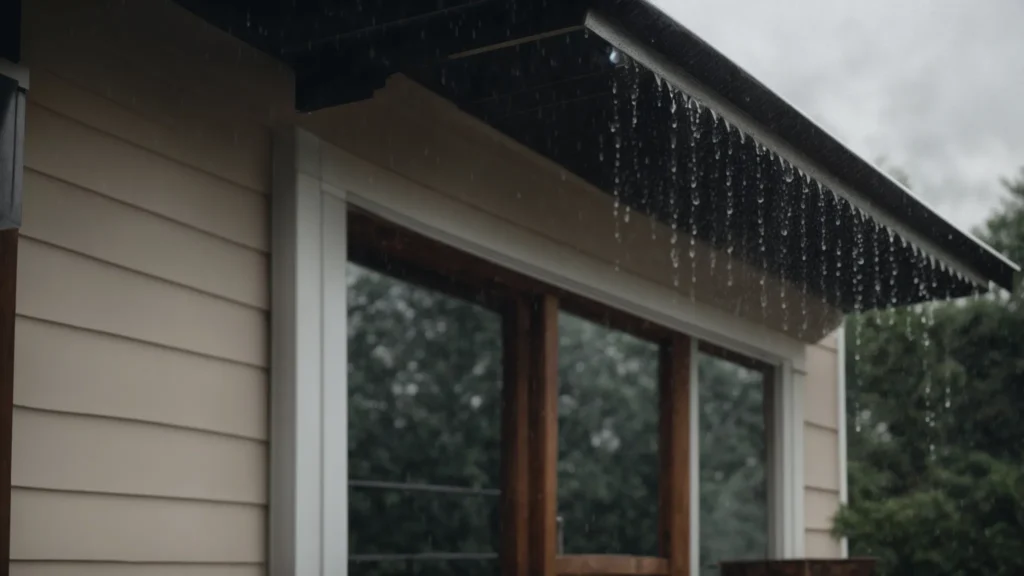
Proper rain gutter installation plays a crucial role in protecting a home from water damage. Gutters channel rainwater away from the foundation, walls, and landscape, reducing the risk of flooding and erosion. The material you choose for your gutters can affect their functionality, durability, and overall aesthetic of your home.
Making the right decisions for your home’s rain gutters can prevent costly problems down the line. From selecting materials suited to your climate to proper maintenance techniques, this article will equip you with the knowledge you need for a worry-free rainwater drainage system. Below, we delve into how to select, maintain, and install your rain gutters effectively, as well as explore the latest advancements in gutter technology.
Selecting the Right Material for Your Rain Gutters

The material you choose for your gutters impacts not only their performance but also their lifespan and your home’s appearance. Materials commonly used include vinyl, aluminum, steel, and copper. Each comes with its own set of benefits and considerations, such as cost efficiency or a more premium look.
Aluminum gutters are widely favored for their lightweight and rust-resistant properties. They provide a good balance between affordability and durability. On the other hand, copper gutters offer exceptional longevity and an elegant patina over time, but come with a higher price tag. The seamless gutters can also be a great option for homeowners looking for a streamlined solution.
To decide on the best material for your needs, consider factors such as the local climate, the style of your home, and your budget. It may be beneficial to consult with professionals who can assess your specific situation and offer tailored advice.
Maintaining Your Rain Gutters for Longevity
Regular maintenance is critical to extending the life of your rain gutters and ensuring they function correctly. Neglected gutters can lead to clogs, leaks, and even structural damage to your home as water overflows and penetrates vulnerable areas.
Cleaning your gutters at least twice a year, and more frequently if you have overhanging trees, can prevent debris buildup. Inspecting for signs of wear and damage such as cracks, rust, or sagging sections can also preempt major repairs. For more thorough maintenance, consider adding leaf guards, which can help minimize the accumulation of leaves and twigs.
Setting up a regular maintenance schedule is manageable for most homeowners. However, for those uncomfortable with heights or lacking the time, professional cleaning services are available. These services may also include inspections and minor repairs, ensuring a comprehensive approach to gutter maintenance.
Installing Rain Gutters: Professional vs. DIY
Installing gutters might seem straightforward, but it requires precision to ensure proper slope and secure attachment to your home. While DIY might save upfront costs, any mistakes can lead to bigger expenses down the road due to water damage.
Professional installers have the expertise and equipment to install gutters correctly the first time. They also often provide warranties on their work and can advise on the best materials and styles for your home. On the DIY front, you can find plenty of tutorials and guides, but it’s important to realistically assess your skills and the complexity of the project before diving in.
If opting for DIY, pay close attention to the manufacturer’s guidelines and ensure all safety measures are followed. For those leaning towards professional installation, compare quotes and check reviews to find reputable installers. Remember, the cost of professional services often reflects peace of mind and workmanship quality.
Rain Gutter Innovations and Technological Enhancements

The rain gutter industry continues to innovate, with new materials and technology designed to improve performance and reduce maintenance. These advancements can offer homeowners better protection against the elements and a more aesthetically pleasing home exterior.
For instance, seamless gutters are gaining popularity for their reduced likelihood of leaks. There’s also development in smart gutter systems that can sense blockages and alert homeowners. These technological improvements can greatly enhance the effectiveness and convenience of managing rainwater runoff.
When considering upgrades or new installations, investigating the latest gutter technology can be worthwhile. While innovative features might come with a higher initial cost, they could save time and money in the long run through reduced maintenance and enhanced durability.
Ultimately, the choices you make regarding your rain gutters—from material selection to maintenance and installation—can significantly impact your home’s integrity and appearance. Implementing best practices and staying informed about industry developments is your roadmap to ensuring a robust and reliable gutter system. Evaluate your needs, consult with professionals when necessary, and don’t shy away from investing in quality for a system that lasts for years.