
What a West Chester Summer Asks of Your AC (and How to Stay a Step Ahead)

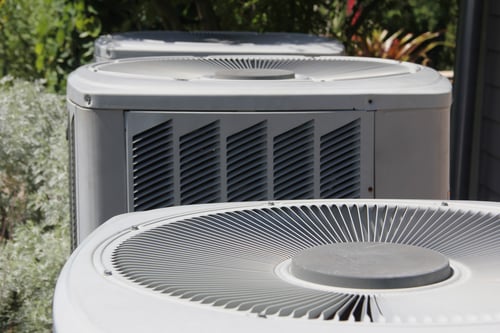
If your air conditioner seems to lose a little ground every August, you are not imagining it. Between humid afternoons, pollen-heavy springs, and the fast summer storms that roll through Chester County, a West Chester cooling season asks more of a system than the thermostat number lets on. The good news is that once you know what the local weather does to your equipment, staying ahead of it gets much simpler. Think of it as keeping your nest cool before the heat wave, not during it.
Your AC Works a Double Shift in Summer
On a humid July afternoon, your air conditioner is doing two jobs at once. It is lowering the temperature and pulling moisture out of the air, and the second job is the one homeowners rarely think about. When the dew point climbs, the evaporator coil has to condense more water before a room feels comfortable, so the system runs longer cycles even when it is not blazing hot outside.
That extra runtime is where wear adds up. Longer cycles mean more hours on the blower motor, the compressor, and the fan, and they tend to show up first as small comfort complaints: a bedroom that feels clammy at a comfortable setting, condensation near the vents, or a faint musty smell when the system kicks on. Those are humidity signals, not temperature ones, and they often point to airflow, a dirty coil, or a charge that has drifted low over the years. A whole-home dehumidifier or an indoor air quality assessment can take that load off the AC when the equipment alone cannot keep up.
Why Your Neighbor’s AC Coasts and Yours Struggles
Two homes on the same West Chester street can run identical equipment and feel completely different inside. The reason is usually the house, not the unit. The borough is full of 19th-century brick rowhomes and Victorians that were never built for central air, so the ductwork got added later, often squeezed into tight chases with return paths that are too small. Out toward Exton and Chester Springs, newer developments have their own quirk: bedrooms over garages, finished third floors, and bonus rooms that sit far from the air handler and bake in the afternoon sun.
When a system cannot pull enough return air, it cannot cool or dehumidify well no matter how new it is. That is why the fix is not always a bigger unit. Sometimes it is ductwork design and correction, a zoning system that sends more air where the heat collects, or a ductless mini-split for the room the ducts never reached. Matching airflow to the house is often what finally makes a stubborn upstairs comfortable.
Storm Season and the Small Parts That Pick the Worst Moment
West Chester gets its share of fast summer thunderstorms, and they bring more than rain. The power surges and quick outages that ride along with them are hard on the small electrical parts that start and run your system. A run capacitor rated for years can give out early after a stormy stretch. A contactor pits from repeated surges. A hard restart after an outage leans on the compressor at the worst possible time.
None of these parts is expensive on its own. The trouble is timing. They rarely fail on a mild day in May. They wait for the afternoon when the whole neighborhood is running full blast and service slots are hardest to find, which is exactly when an emergency AC call costs more than catching the same worn part at a spring visit would have. A buzz or a click after a storm is worth a quick look before it becomes a no-cooling day.
The Signs Your AC Is Losing the Race
Weather-related wear builds slowly, so the early signs are easy to wave off until the hottest day forces the issue. Each one tends to point back to a cause you can act on:
- Rooms that feel damp even when the thermostat reads comfortable
- A system that rarely cycles off through humid evenings
- Weak airflow, which often means a clogged filter or an iced coil
- A jump in your PECO bill with no change in how you use the house
- Buzzing or clicking that starts after a storm
One of these on its own is worth a quick check. Several together usually mean it is time to have the system looked at, and an early AC repair almost always costs less than an emergency visit in the middle of a heat wave.
How to Stay a Step Ahead
The dependable way to avoid a mid-season breakdown is to get in front of these conditions instead of reacting to them. A spring AC tune-up is built for exactly this: a technician can catch a weakening capacitor, clean a coil the pollen clogged, check the refrigerant charge, and confirm airflow before the first stretch of upper-90s weather. Homeowners in the Precision Comfort Club get that seasonal care on a schedule, along with a service history that makes future visits faster.
A few habits help between visits:
- Change 1-inch filters every 30 to 60 days in cooling season, or step up to a media air filter that lasts longer
- Keep grass clippings, leaves, and cottonwood fluff off the outdoor unit
- Trim shrubs back so air can move freely around the condenser
- Notice weak airflow or uneven cooling between rooms early
- Watch for rising energy bills, which often show up before a breakdown does
When Repair Is the Smart Move, and When It Is Not
Not every summer problem points to a new system. A younger AC with one failed part is usually worth repairing, and if that is the case, that is what we will tell you. Precision starts with a flat diagnostic fee you know before we come out, and once we find the cause, you get written flat-rate pricing before any work begins. Nothing is open-ended, and the decision stays in your hands. If you want the full breakdown of that call, our guide on whether to repair or replace walks through it.
Where age changes the math is on systems in the 12-to-15-year range facing a several-thousand-dollar repair. At that point it makes sense to price both paths, because you may already be partway to a replacement. When that happens, we lay out the comparison plainly, and if a new system is the smarter spend, AC installation and replacement with financing for qualified homeowners keeps the choice manageable. For some older homes, a modern heat pump or dual fuel setup is worth comparing too. The goal is to help you avoid spending twice.
Why West Chester Homeowners Call Precision Air Heating & Cooling
Precision Air Heating & Cooling has kept Chester County homes comfortable since 1993, and we are still locally owned and independent, which means the person deciding how to handle your system is someone who lives with the reputation. You get clear findings before any repair, written pricing before work starts, and straight guidance on whether to fix or replace. We are BBB accredited, licensed, and insured in Pennsylvania, and rated 4.9 stars across 850+ Google reviews from neighbors in West Chester and across our service area.
If your system is dragging in the heat, our Cool Crew can take a look before the next hot spell rolls in. Schedule a visit online or call and talk to a person- no phone tree. Let the penguins keep your nest cool.